

iPhone 14 Pro vs iPhone 16

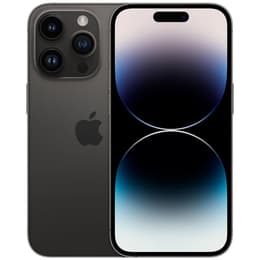
iPhone 14 Pro
iPhone 14 Pro
Från

Pris för rekonditionerad produkt:4 118,00 kr

Jämfört med nypris 14 995,00 kr

Se alternativ
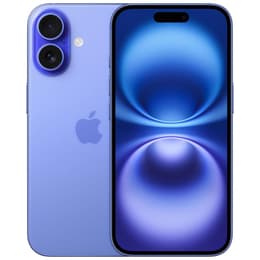
iPhone 16
iPhone 16
Från

Pris för rekonditionerad produkt:6 100,00 kr

Jämfört med nypris 11 495,00 kr

Se alternativ

Betyg

iPhone 14 Pro, released in September 2022, and iPhone 16, launched in September 2024, represent different generations within Apple's smartphone lineup. While both devices offer a premium experience, the iPhone 16 introduces a newer processor and updated features, whereas the iPhone 14 Pro, as a 'Pro' model of its generation, includes certain display and camera capabilities not present in the standard iPhone 16. Both operate on Apple's iOS platform, ensuring a consistent software ecosystem.

Poäng

Hållbarhet

The practical lifespan of a smartphone is significantly influenced by its release timeline and the duration of software support it receives.

  • Release Timeline: The iPhone 14 Pro was released in September 2022, making it two years older than the iPhone 16, which launched in September 2024. This difference in release date directly impacts their remaining support cycles.
  • OS Support Duration: Apple typically provides major iOS updates for its devices for approximately five to six years, with security updates often extending beyond that period. The iPhone 14 Pro, having been released with iOS 16, is expected to receive major updates until around 2027-2028, with security patches potentially continuing until 2029. The iPhone 16, launching with iOS 18, is anticipated to receive major updates until approximately 2029-2030, and security support for a minimum of five years from its release, potentially longer.
  • Practical Lifespan: Users prioritizing the longest possible software longevity and access to the latest features will find the iPhone 16 offers an extended period of support compared to the iPhone 14 Pro. Both models are built with durable materials and are designed for repairability, contributing to their physical longevity.

Lanseringsår

2022

2024

OS

iOS

iOS

Vikbar

Nej

Nej

Prestanda

Performance in daily use is a key aspect for any smartphone, influencing how smoothly applications run and how efficiently tasks are handled.

  • Processor Capabilities: The iPhone 14 Pro is equipped with a powerful processor from its generation, capable of handling demanding applications, complex games, and multitasking with ease. The iPhone 16 features a newer generation processor, which provides enhanced speed and efficiency, resulting in even smoother operation and faster processing of tasks. This newer chip also offers improved memory bandwidth and is more power-efficient.
  • System Responsiveness: Both devices offer a highly responsive user experience, with quick app loading times and fluid navigation. The iPhone 16's newer processor contributes to a slightly snappier feel in everyday interactions and provides more headroom for future software advancements and more intensive applications.
  • Battery Behavior: The iPhone 14 Pro generally provides sufficient battery life for a full day of typical use, though heavy users might find themselves needing to recharge before the day ends. The iPhone 16, with its larger battery capacity and more power-efficient processor, often delivers extended battery life, with many users reporting it can comfortably last beyond a full day of general usage.

Minne (GB)

6 GB

8 GB

Skärmkvalitet

The display is a primary interface for user interaction, and both models offer high-quality viewing experiences with distinct characteristics.

  • Display Technology and Clarity: Both the iPhone 14 Pro and iPhone 16 feature Super Retina XDR OLED displays, providing deep blacks, high contrast, and vibrant colors. They share a similar resolution of approximately 2556 x 1179 pixels, resulting in a pixel density of around 460 pixels per inch, which ensures sharp text and detailed images.
  • Refresh Rate and Smoothness: A notable difference lies in the refresh rate. The iPhone 14 Pro features ProMotion technology, offering an adaptive refresh rate up to 120Hz, which provides exceptionally smooth scrolling and a more fluid visual experience, particularly in gaming and fast-paced content. The iPhone 16, on the other hand, maintains a standard 60Hz refresh rate, which is consistent but does not offer the same level of visual fluidity.
  • Brightness and Features: Both displays offer high brightness levels, with the iPhone 14 Pro capable of reaching up to 2000 nits peak brightness outdoors, making it highly legible even in direct sunlight. The iPhone 16 also offers strong brightness, with a typical maximum of 1000 nits and peak HDR brightness of 1600 nits, and can reach 2000 nits peak brightness outdoors. The iPhone 14 Pro also includes an Always-On Display feature, which the iPhone 16 does not. Both models incorporate the Dynamic Island for interactive alerts and activities.

Resolution

1179 x 2556

2556x1179

Audiovisuellt

Both smartphones offer advanced camera systems designed to capture high-quality photos and videos, though with some differences in their configurations and features.

  • Camera System Capabilities: The iPhone 14 Pro features a versatile triple-camera setup, including a 48-megapixel main sensor, a 12-megapixel ultrawide lens, and a 12-megapixel telephoto lens that provides 3x optical zoom. This dedicated telephoto lens allows for clear zoomed-in shots without significant loss of detail. The iPhone 16 comes with a dual-camera system, featuring an upgraded 48-megapixel main 'Fusion' camera and an improved 12-megapixel ultrawide camera with a wider aperture and autofocus.
  • Photography and Video Performance: Both devices excel in everyday photography, producing detailed images with accurate colors and good dynamic range. The iPhone 14 Pro's larger sensor and advanced processing contribute to strong low-light performance. The iPhone 16's improved main and ultrawide sensors also deliver solid low-light results and offer a new macro mode. For video, both support 4K recording, Cinematic Mode, and Action Mode for stabilized footage. The iPhone 16 introduces a new Camera Control button for quick access to camera functions.
  • Audio and Media Consumption: Both models provide high-quality audio output through their stereo speakers, suitable for media consumption and calls. Microphone quality on both is clear for voice recordings and communication.

Övrigt

Beyond core performance, several practical elements contribute to the overall user experience and device utility.

  • Connectivity Options: Both the iPhone 14 Pro and iPhone 16 support 5G cellular connectivity for fast mobile data speeds. The iPhone 14 Pro includes Wi-Fi 6 and Bluetooth 5.3. The iPhone 16 features the newer Wi-Fi 7 standard, offering potentially faster and more reliable wireless internet connections, alongside Bluetooth 5.3.
  • Port Types and Sensors: A significant difference is the charging and data port. The iPhone 14 Pro uses Apple's proprietary Lightning port. The iPhone 16 has transitioned to a USB-C port, offering broader compatibility with accessories and potentially faster data transfer speeds. Both devices feature Face ID for secure facial recognition and include a range of sensors for various functionalities. The iPhone 16 also incorporates an Action Button, customizable for quick access to functions, and a dedicated Camera Control button.
  • Build Materials and Dimensions: Both phones feature premium build materials, typically a combination of glass and metal, offering a robust feel. The iPhone 14 Pro has Ceramic Shield front cover for enhanced durability and IP68 water resistance. The iPhone 16 also features IP68 dust and water resistance and an improved thermal design. While dimensions are similar for the standard 6.1-inch models, the iPhone 16 is noted for its comfortable handling and relatively light weight.

Vikt

206 g

170 g

Skärmstorlek (tum)

6.1

6.1

Operatörslås

5G

5G

SIM-kort

Fysiskt SIM + eSIM

Dubbla fysiska SIM

Operatörslås

Olåst

Olåst

Kontakt

Lightning

USB-C

The iPhone 14 Pro and iPhone 16 cater to slightly different user priorities, reflecting their respective positions in Apple's product evolution. Users often praise the iPhone 14 Pro for its ProMotion 120Hz display, offering a noticeably smoother visual experience, and its dedicated telephoto camera for optical zoom capabilities. Some criticisms for the 14 Pro have included its Lightning port, which is less universal than USB-C, and for some, battery life that, while good, might require a midday top-up for very heavy use.

The iPhone 16 is frequently lauded for its significantly improved battery life, often lasting well over a day for many users, and its newer, more efficient processor that ensures swift performance for current and future applications. The addition of the Action Button and the universal USB-C port are also common points of praise. A frequent criticism, however, is the retention of a 60Hz display, which some users find less fluid compared to higher refresh rate screens on other devices, including the older 14 Pro.

Users prioritizing a smoother display experience with a dedicated optical zoom lens might find the iPhone 14 Pro well-suited to their needs. Conversely, those who value the longest possible battery life, the latest processor for future-proofing, and the convenience of a USB-C port and customizable Action Button will likely lean towards the iPhone 16. Both devices offer a robust and capable smartphone experience. For those considering an eco-friendly alternative, quality-assured refurbished options for both models provide a sustainable choice to extend their lifecycle.
Se alla artiklar

Våra senaste jämförelser