

Google Pixel 8 Pro vs iPhone Air

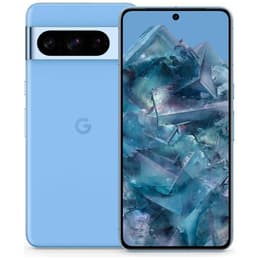
Google Pixel 8 Pro
Google Pixel 8 Pro
Från

Pris för rekonditionerad produkt:3 456,85 kr

Jämfört med nypris 13 318,80 kr

Se alternativ
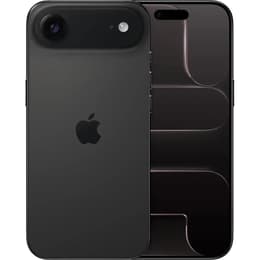
iPhone Air
iPhone Air
Från

Pris för rekonditionerad produkt:7 471,00 kr

Jämfört med nypris 13 995,00 kr

Se alternativ

Betyg

The Google Pixel 8 Pro, released in October 2023, and the iPhone Air, launched in September 2025, represent distinct approaches to high-end smartphone design and functionality. While the Pixel 8 Pro emphasizes advanced computational photography and a comprehensive Android experience, the iPhone Air focuses on an ultra-thin, lightweight design with a streamlined iOS interface. Both devices offer powerful performance and impressive displays, but their core philosophies lead to different user experiences.

Poäng

Hållbarhet

When considering the longevity of these devices, several factors come into play, including software support, physical durability, and ease of repair.

  • Release Timeline: The Google Pixel 8 Pro was released in October 2023, making it nearly two years older than the iPhone Air, which launched in September 2025. This difference in release dates impacts their respective software support windows.
  • Software Longevity: Google has committed to an impressive seven years of operating system and security updates for the Pixel 8 Pro, ensuring extended software relevance. The iPhone Air, running iOS 26 at launch, is expected to receive Apple's typical long-term software support, which generally spans five to six years from its release.
  • Repairability and Durability: The iPhone Air has received a repairability score of 7 out of 10 from iFixit, highlighting its modular components and relatively easy battery access despite its thin profile. It features a polished titanium frame and Ceramic Shield 2 on the front and Ceramic Shield on the back for enhanced scratch and crack resistance. The Pixel 8 Pro incorporates Corning Gorilla Glass Victus 2 for screen protection and features a polished aluminum frame with matte back glass.

Lanseringsår

2023

2025

Kompatibel med senaste uppdatering

Ja

Ja

OS

Android

iOS

Vikbar

Nej

Nej

Prestanda

Both smartphones deliver robust performance for daily tasks and demanding applications, though they achieve this through different hardware and software optimizations.

  • Processing Power: The Google Pixel 8 Pro is powered by Google's Tensor G3 chip, designed to handle complex AI tasks and provide a smooth Android experience. The iPhone Air features Apple's A19 Pro chip, which offers strong performance for a wide range of applications and gaming.
  • Multitasking and Responsiveness: Both devices come with 12GB of RAM, enabling efficient multitasking and smooth transitions between applications. Users can expect quick app loading times and fluid navigation on both platforms.
  • Storage Options: The Pixel 8 Pro offers storage configurations of 128GB, 256GB, 512GB, and a 1TB option available in some regions. The iPhone Air provides storage options starting at 256GB, with 512GB and 1TB variants also available. Neither device supports expandable storage via microSD cards.
  • Battery Behavior: The Pixel 8 Pro is equipped with a 5050 mAh battery, generally providing over 24 hours of use for many users. The iPhone Air has a 12.263Wh (approximately 3149mAh) battery, with Apple claiming all-day battery life. However, some user reports suggest its thinner design may lead to shorter battery life compared to other iPhone models.

Minne (GB)

12 GB

12 GB

Skärmkvalitet

Both smartphones offer high-quality displays that provide vibrant visuals and smooth interactions, though with some differences in specifications and viewing experience.

  • Display Technology and Clarity: The Google Pixel 8 Pro features a 6.7-inch LTPO OLED display with a resolution of 1344 x 2992 pixels, resulting in sharp images and text. The iPhone Air sports a 6.5-inch Super Retina XDR OLED display with a 2736 x 1260 pixel resolution at 460 pixels per inch, offering excellent detail and color accuracy.
  • Brightness and Outdoor Visibility: The Pixel 8 Pro's display can reach up to 1600 nits in HDR and a peak brightness of 2400 nits, making it highly visible in bright outdoor conditions. The iPhone Air boasts an even higher peak brightness of 3000 nits, ensuring exceptional visibility even under direct sunlight.
  • Refresh Rate and Smoothness: Both devices feature adaptive refresh rates up to 120Hz, providing fluid scrolling and responsive animations. The Pixel 8 Pro can dynamically adjust its refresh rate down to 1Hz for power efficiency, while the iPhone Air also offers an adaptive refresh rate ranging from 1Hz to 120Hz.

Resolution

1344 x 2992

2736x1260

Skärmtyp

LTPO OLED

Super Retina XDR

Audiovisuellt

Photography is a key strength for both devices, each offering advanced camera systems with distinct capabilities and features.

  • Rear Camera System: The Google Pixel 8 Pro features a versatile triple-camera setup on the rear, including a 50 MP wide lens, a 48 MP telephoto lens, and a 48 MP ultrawide lens, providing flexibility for various shooting scenarios. The iPhone Air comes with a single 48 MP Fusion main camera system. It lacks a dedicated ultrawide lens and telephoto capabilities, which means it cannot take spatial photos or offer the same range of optical zoom as devices with multiple lenses.
  • Photography Performance: The Pixel 8 Pro is renowned for its computational photography, excelling in low-light conditions and offering advanced features for image processing. The iPhone Air's 48 MP main camera is designed for high-quality everyday photography, with users reporting good performance even in low light.
  • Video Recording and Front Camera: Both phones support 4K video recording at various frame rates. The Pixel 8 Pro has a 10.5 MP ultrawide front camera. The iPhone Air features an 18 MP Center Stage front camera, designed for enhanced video calls and selfies, and can expand its field of view for group shots. However, the iPhone Air does not support Cinematic mode videos.
  • Audio Experience: The Pixel 8 Pro features stereo speakers, with user opinions on sound quality being mixed, ranging from good to occasionally muffled or distorted at higher volumes. The iPhone Air has a mono speaker, which some users note provides a less immersive audio experience compared to devices with multiple speakers.

Huvudkamera

50 megapixels

48 megapixels

Fram kamera

10.5 megapixels

18 megapixels

Övrigt

Beyond core performance and camera capabilities, several practical elements differentiate these two smartphones, influencing daily usability and overall experience.

  • Connectivity Standards: Both devices support 5G connectivity for fast mobile data. The Google Pixel 8 Pro supports Wi-Fi 7 and Bluetooth 5.2. The iPhone Air also features Wi-Fi 7 and Bluetooth 6.0, along with Thread networking technology and Apple's second-generation Ultra Wideband chip.
  • Physical Design and Handling: The iPhone Air is notably thinner and lighter, measuring 5.64 mm in depth and weighing 165 grams, making it the thinnest iPhone ever. This design prioritizes a sleek and lightweight feel. The Pixel 8 Pro is thicker at 8.8 mm and weighs 213 grams, offering a more substantial in-hand feel.
  • Ports and Biometrics: The Pixel 8 Pro uses a USB-C port and features an in-display optical fingerprint scanner for biometric authentication. The iPhone Air also utilizes a USB-C port, though it operates at USB 2.0 speeds, and relies on Face ID for secure unlocking. The iPhone Air is eSIM-only, lacking a physical SIM tray.
  • Additional Sensors: A unique feature of the Pixel 8 Pro is its integrated thermometer for measuring skin temperature.

Vikt

213 g

165 g

Skärmstorlek (tum)

6.7

6.5

Operatörslås

5G

5G

SIM-kort

Fysiskt SIM + eSIM

eSIM

Operatörslås

Olåst

Olåst

Kontakt

USB-C

USB-C

The Google Pixel 8 Pro and the iPhone Air cater to users with differing priorities, each excelling in specific areas. The Pixel 8 Pro is frequently praised for its advanced camera system, particularly its computational photography capabilities and low-light performance. Users also appreciate its long-term software support commitment and the integration of Google's AI features. Some criticisms have been noted regarding its speaker quality, with some users finding it occasionally muffled or distorted.

The iPhone Air garners acclaim for its remarkably thin and lightweight design, offering a distinct aesthetic and in-hand feel. Its vibrant OLED display with high peak brightness is also a common point of praise. However, frequent criticisms revolve around its single rear camera setup, which limits photographic versatility compared to multi-lens systems, and its mono speaker, which can lead to a less immersive audio experience. Some users also report shorter battery life compared to other iPhone models.

Users prioritizing a comprehensive and versatile camera system, extended software support, and advanced AI features within the Android ecosystem may find the Google Pixel 8 Pro well-suited to their needs. Conversely, users who value an ultra-thin, lightweight design, a highly bright and fluid display, and the streamlined experience of iOS may lean toward the iPhone Air. Both devices offer powerful performance, making the choice largely dependent on individual preferences for camera capabilities, design aesthetics, and operating system environment. For those considering either of these devices, exploring quality-assured refurbished options can provide a sustainable choice without compromising on performance or features.

Se alla artiklar

Våra senaste jämförelser